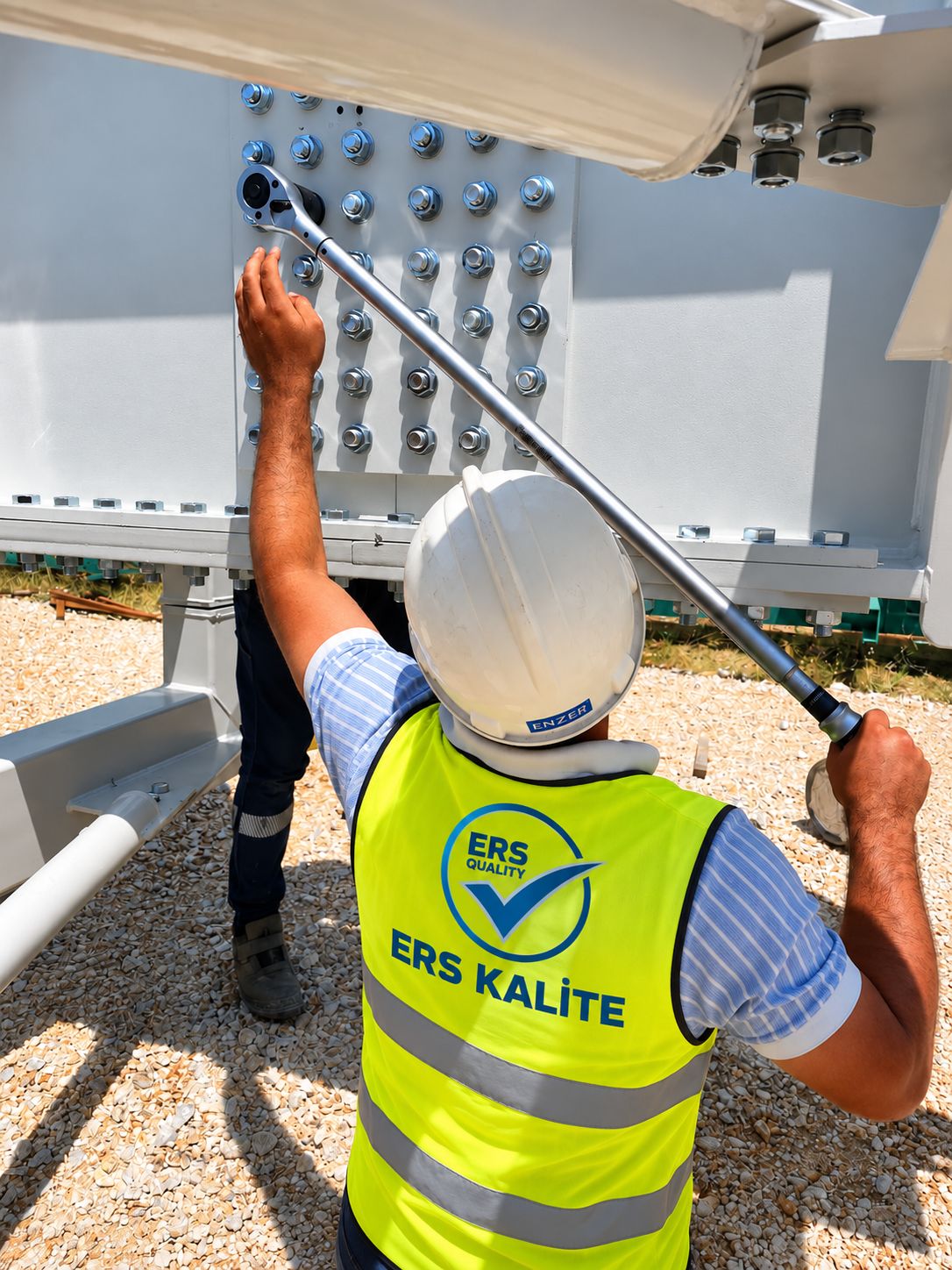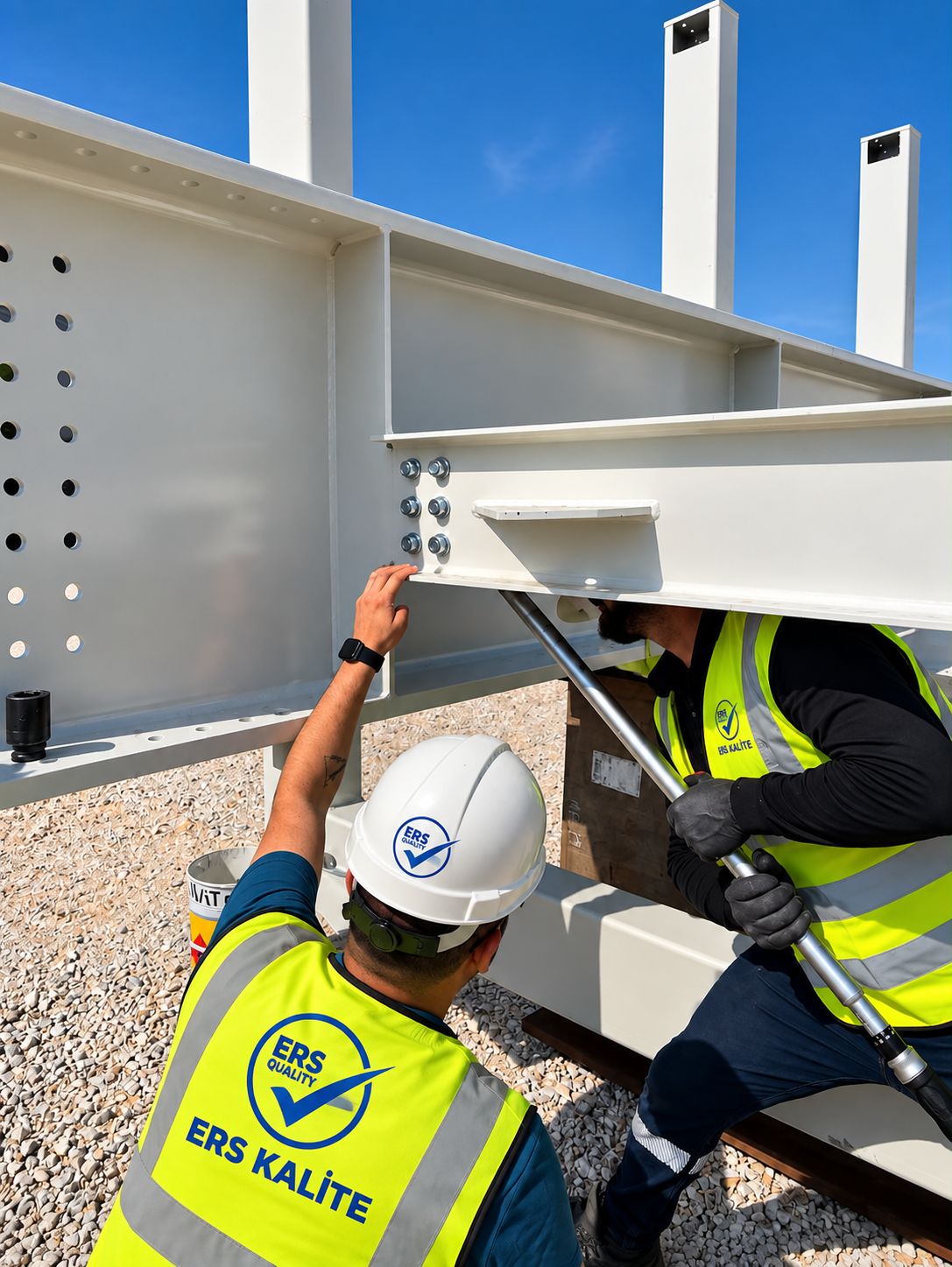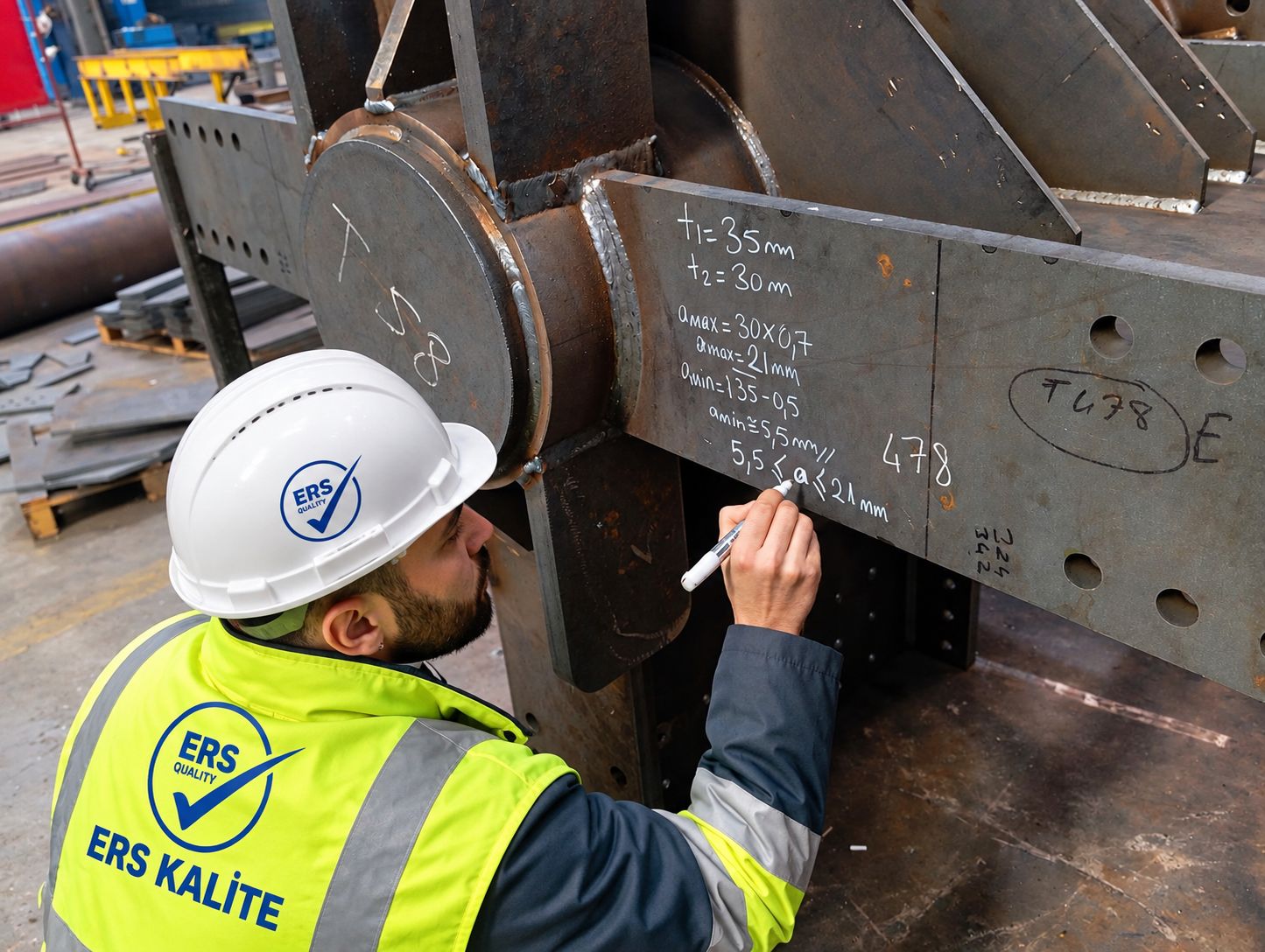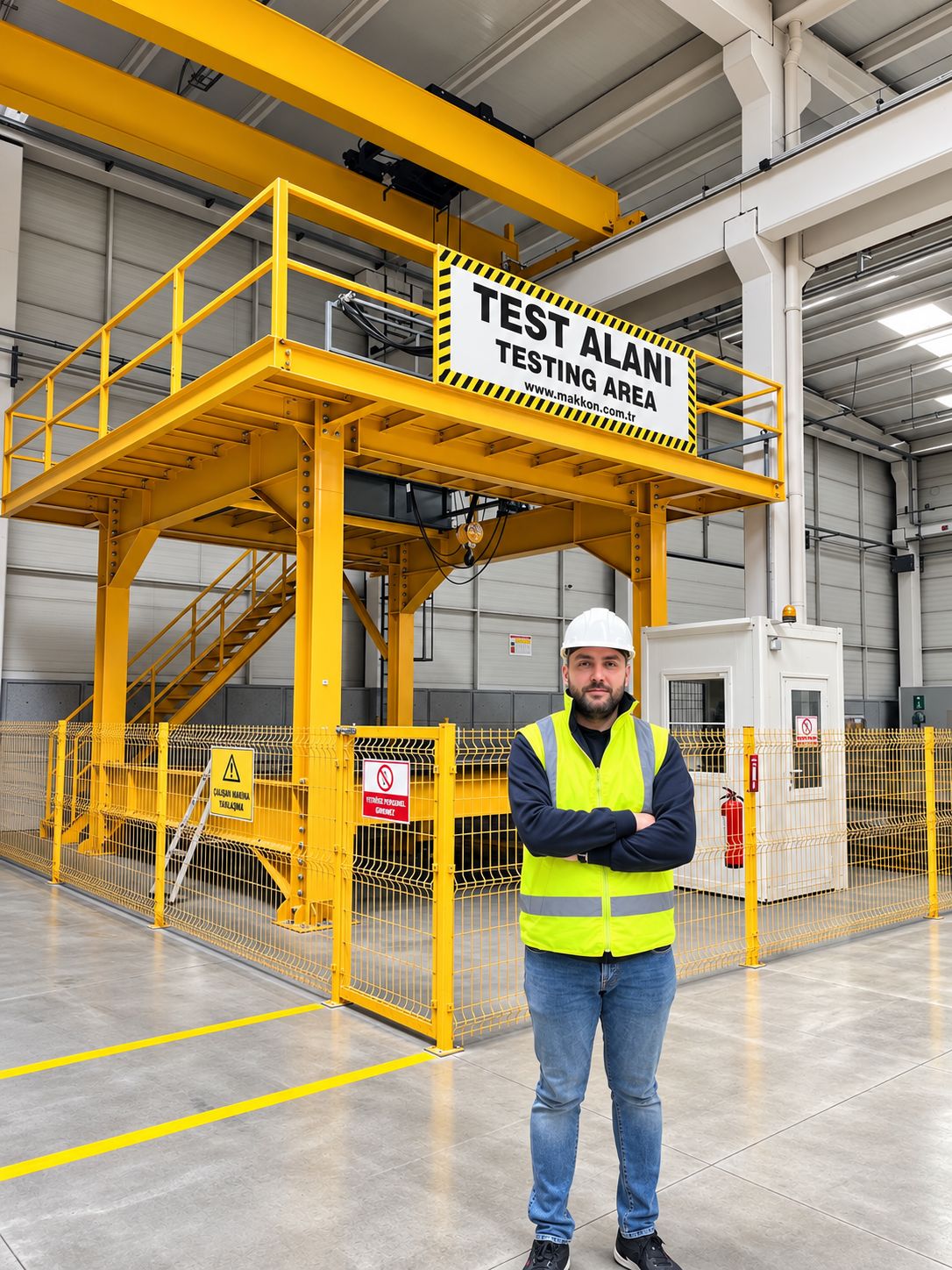

We provide third-party inspection and quality control services in Türkiye and worldwide.
Third-party inspection provides independent verification of products, equipment, materials and manufacturing activities throughout production, procurement, supply and project processes. Verifying that the products a company buys from its suppliers conform to technical specifications, contracts, standards and client requirements is essential for reducing quality risks and safeguarding deliveries.
For manufacturing and purchasing carried out in Türkiye and across Europe, the Middle East, Asia, Africa and other regions of the world, independent inspection, third-party inspection, second-party audits, supplier audits, factory audits and quality control services are an integral part of professional procurement.
Whatever the country or city in which the manufacturer or supplier is located, inspections carried out by an independent technical team help clients manage production remotely, assess quality objectively and identify potential non-conformities before the product is shipped.
What Is Third-Party Inspection?
Third-party inspection is the verification of production, inspection, testing or delivery processes against defined technical and quality criteria by an organisation that is independent of both the buyer and the manufacturer or supplier.
Independent inspection bodies carry out their work on the basis of the client’s technical specification, purchase order, drawings, quality plan, Inspection and Test Plan (ITP), the applicable standards and the contractual requirements.
This approach is particularly important when managing high-value equipment, critical industrial products and international supply chains. The aim is not simply to put the product through a final check, but to identify quality risks in good time at the critical stages of manufacture.
What Is a Second-Party Audit?
A second-party audit is an audit in which a company assesses its own supplier or a prospective supplier, either directly or through a specialist organisation acting on its behalf.
Factory assessments before supplier selection, periodic audits of existing suppliers, production capacity checks, quality management system assessments and technical capability reviews can all fall within the scope of a second-party audit.
Supplier audits carried out before starting work with a new supplier are especially valuable, providing key information on the company’s production capacity, quality infrastructure, personnel competence, processes and technical capabilities.
Supplier Audits and Supplier Evaluation
Supplier audits are one of the most important tools for managing quality risks in procurement. Evaluating a supplier on price alone can lead to quality and delivery problems in the long run.
A professional supplier audit may examine the supplier’s production facilities, quality control processes, documentation system, production equipment, testing facilities, traceability system and related technical processes.
Areas that can be covered in a supplier audit (the audit scope is defined according to the client’s needs):
Factory Audits and Factory Inspections
A factory audit is an on-site assessment of whether a manufacturer has the technical and operational capability required for a specific product or project.
Factory audits are typically commissioned for new supplier selection, critical purchases, international trade and high-value projects. The audit may cover production areas, the machine park, staffing, quality control infrastructure, test facilities and manufacturing processes.
A factory that merely looks modern or large is not necessarily capable of delivering a given project to the required quality level. Factory audits should therefore be evaluated together with the purchasing criteria and technical requirements.
Vendor Inspection Services
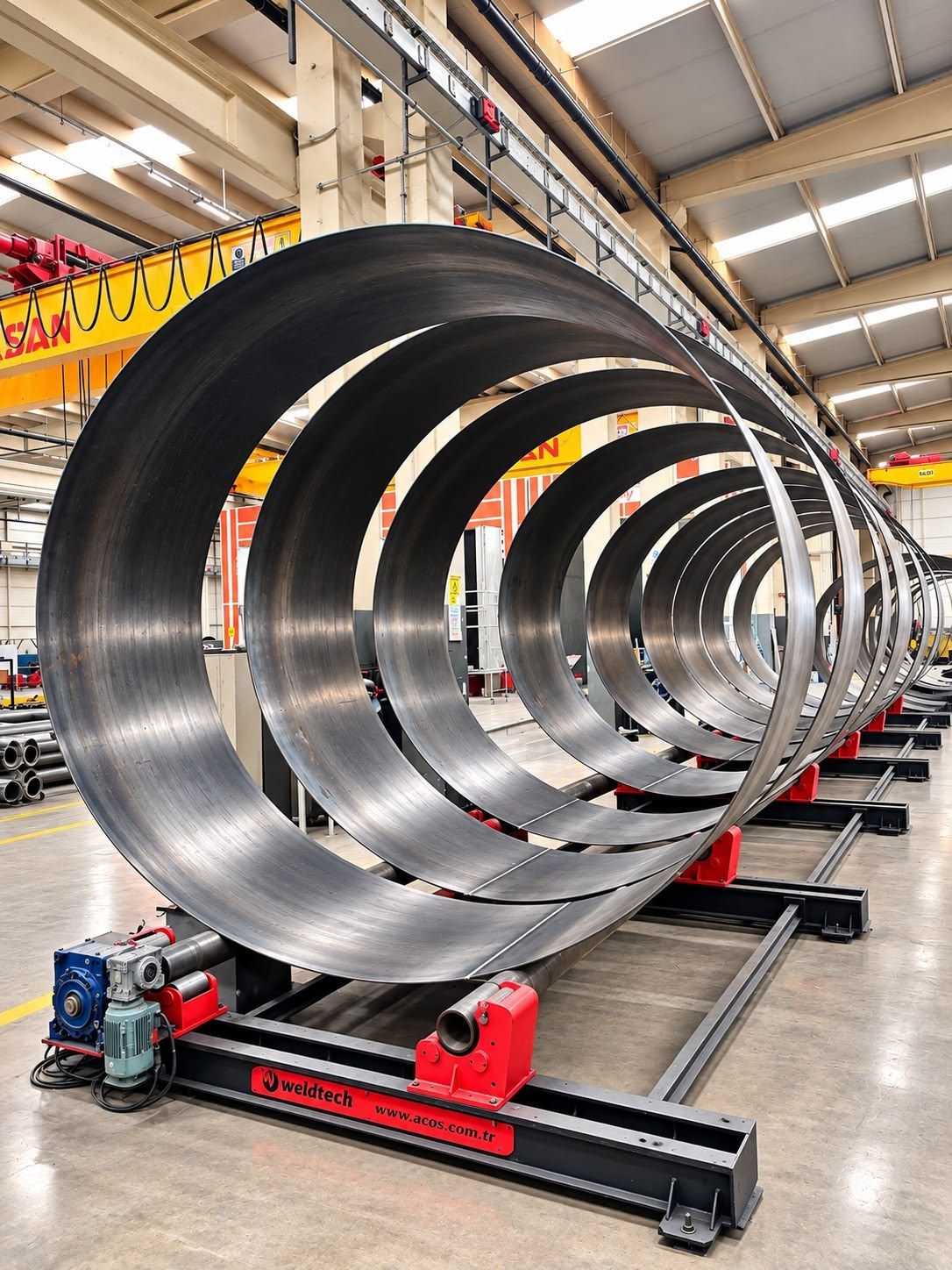
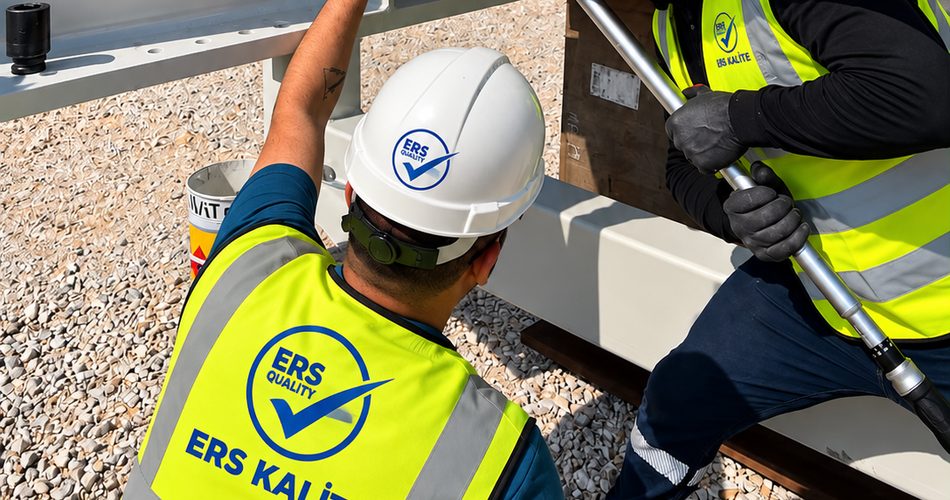
Vendor inspection refers to the inspection, at the manufacturer’s premises, of equipment and materials purchased mainly for industrial projects. Pressure equipment, machinery and mechanical equipment, steel structures, piping products, electrical equipment and custom fabrications can all be covered by vendor inspection.
Checks that can be carried out during vendor inspection:
- Review of technical documentation
- Review of material certificates
- Dimensional checks
- Visual inspections
- Weld inspections
- Witnessing of tests
- Verification of other quality requirements specified by the client
Production Monitoring and Surveillance Inspection
Rather than checking the product only once it is finished, production monitoring follows defined stages of the manufacturing process.
For long-lead equipment and critical fabrications in particular, production progress, the materials used, manufacturing processes, welding activities, in-process inspections and tests can be followed in line with an agreed plan.
On international projects this service is usually referred to as surveillance inspection, manufacturing surveillance or production surveillance.
Independent Quality Control Services
Independent quality control brings an impartial technical perspective to quality verification between manufacturer and buyer. It offers a clear advantage, especially where the buyer cannot keep its own staff at the production facility on a permanent basis.
The scope of inspection is defined according to the nature of the product, the project conditions, client requirements and the applicable standards. Where necessary, several visits can be made at different stages of production.
Pre-Production, During Production and Final Inspection
Quality control activities can be carried out at different stages of production:
- 01Pre-Production Inspection
Can focus on assessing materials, documents, the production plan and preparations before manufacturing begins.
- 02During Production Inspection
Checks that products and processes conform to the specified criteria while production is under way.
- 03Final Inspection
Can cover the final assessment of the finished product against technical requirements, quantity, workmanship, marking, packaging and other specified criteria.
Material and Documentation Review
In industrial procurement, traceability of the materials used and of the production records matters as much as the physical conformity of the product. As part of the inspection, material certificates, test reports, quality records, measurement and calibration records, production documents and other technical documentation can be reviewed according to client requirements.
Welding and NDT Inspection
For welded fabrications, welding procedures, welder qualifications, welding records and related quality documents can be checked. Depending on project requirements, non-destructive testing (NDT) can also be witnessed or its results evaluated.
Applying methods such as visual testing, penetrant testing, magnetic particle testing, ultrasonic testing and radiographic testing, and evaluating the results against the relevant specifications, are key elements of quality assurance for critical fabrications.
Test and Inspection Witnessing
Performance tests, functional tests, hydrostatic tests, pressure tests, electrical tests and other product-specific tests carried out at the manufacturer’s premises can be witnessed at the client’s request. The aim is to assess objectively whether each test has been performed in accordance with the specified procedure and whether the results meet the acceptance criteria.
Third-Party Inspection Services in Türkiye
Türkiye has a strong manufacturing base in machinery, automotive, energy, steel, defence, petrochemicals, construction, electrical equipment and many other industrial sectors. Through inspections in Istanbul, Kocaeli, Bursa, Izmir, Ankara, Konya, Gaziantep and other major manufacturing centres, international buyers can assess their suppliers on site and obtain independent information on their production processes.
Inspection and Auditing Worldwide
When production in an international supply chain is spread across several countries, quality control can become more complex. Companies able to provide global, worldwide inspection services help ensure that suppliers in different countries are assessed with the same quality approach.
Through independent inspection services, a purchasing company in Türkiye can have a manufacturer in Europe inspected, a European EPC contractor its supplier in Asia, or an international project company its manufacturers in various countries.
Why Use Third-Party Inspection?
The main purpose of independent inspection is to detect quality risks at an early stage. Correcting non-conformities that only come to light after the product has been delivered or has reached site usually costs far more in time and money.
Inspections carried out during production, by contrast, help identify potential problems earlier. This makes it possible to reduce risks such as rework, delays, shipping problems and customer complaints.
Which Industries Use It?
Third-party inspection and supplier audits can be applied in many industries:
The scope of the service varies with the characteristics of the industry and the product. Each project should therefore be based on predefined technical criteria, standards and client requirements.
Inspection Results and Reporting
The results of inspection or audit activities can be reported to the client. Reports may include the checks performed, observations, measurement results, non-conformities found, photographs and information on the relevant technical documents.
An independent inspection report helps procurement and project teams make better-informed decisions about the current status of production or of the product.
How to Choose the Right Inspection Company
When selecting an inspection company, the following criteria should be considered together rather than price alone:
- Technical competence
- Experience in the relevant industry
- Inspector expertise
- Geographical reach
- Reporting capability
- Ability to understand client requirements
On international projects in particular, working with a global inspection company that can carry out inspections in different countries can be a significant advantage.